
One city, many different settings
Hollywood is large enough that two homeowners can both say they live in Hollywood and describe completely different electrical situations. One lives a few steps from the Hollywood Beach Broadwalk in a small apartment building with salt on the windows. Another lives near Young Circle in an older home on a quiet street with mature trees. A third lives far to the west in a newer development with wide lots and a pool. Each has the same city name on the mailing address, but their wiring, climate exposure and concerns are not the same.
That variety follows from the way the city grew. The areas closest to the water developed first, with small homes, apartment buildings and hotels. As the city expanded westward, later neighborhoods were built with larger lots, bigger homes, garages and, in many cases, pools. Along the major roads, commercial strips filled in. Today the city includes historic districts, modern high rises, quiet residential blocks and busy corridors, with housing of many ages all in the same municipal limits.
For an electrician, building age is a rough guide to what to expect. Older homes often have smaller panels, fewer circuits, and wiring methods that have been modified many times. Mid era homes may have panels that were adequate for their time but strain under present day loads, and they may contain wiring that needs inspection. Newer homes tend to have larger services and modern protection devices, but they bring their own concerns, like long runs to garages and outdoor kitchens, pool equipment, home offices and chargers. Every era has issues, and every era has advantages.
Climate is the constant. All of Hollywood sits in the same humid, storm prone corner of Florida. Summers are hot and thunderstorms are frequent. Hurricanes affect the whole city, even if surge matters most near the water and the Intracoastal. Salt air is strongest near the beach but reaches inland more than people expect. Heat and moisture work on equipment everywhere. So, while the details differ, the themes of corrosion, heat, surges and outages touch every neighborhood.
This page is a map for owners trying to figure out which concerns apply to them. It does not describe a specific home and it is no substitute for an inspection. A quote can begin with a phone call, and any complicated job needs an on site visit so the electrician can see the actual panel, wiring and conditions. Use the sections below to find the part of the city that sounds most like yours and to prepare the questions you want to ask.
The eastern blocks: the Broadwalk, the Intracoastal and salt in the air
The eastern edge of Hollywood runs along the Atlantic and the Intracoastal Waterway, with State Road A1A and the Hollywood Beach Broadwalk shaping life near the sand. Buildings here range from small apartment houses and older motels to condominiums and newer mid rise towers. Salt air, wind driven rain and the possibility of storm surge define the electrical environment.
Salt air is a constant partner. It accelerates corrosion of anything metal exposed outdoors: panel covers, meter bases, conduit, junction boxes, fixtures and fasteners. It also gets into indoor equipment through open windows and ventilation. Owners near the water should plan for more frequent inspection and replacement of exterior electrical equipment, and should prefer corrosion resistant materials. Our oceanfront page covers this in detail.
The second feature is building type. Many structures near the beach are small apartment buildings or older condos with shared electrical rooms, meter banks and risers. In these, the building owner or association is responsible for common equipment, while owners are responsible for what lies inside their units. A problem that affects several units, such as flickering lights or low voltage throughout a floor, may point to a shared component. Owners should report it to management rather than trying to fix it alone.
The third feature is intensive use. Short term rentals, vacation stays and seasonal residents mean that apartments may be full one week and empty the next. Systems that operate continuously, such as refrigerators and air conditioners, run in conditions that vary wildly. Smoke alarms and ground fault protection are especially important in rental units, where occupants may not know the building. Owners should test and document safety devices regularly.
Here are items that often come up for eastern Hollywood owners:
- Panels in humid utility rooms with rust or corrosion on the cabinet and lugs.
- Older apartments with too few outlets, leading to extension cords and power strips.
- Balcony and exterior lights with failed gaskets that let moisture in.
- Air conditioning circuits that are overloaded or poorly protected from weather.
- Limited panel space in older units, making it hard to add circuits.
- Surge damage to electronics following storms.
For owners on the Intracoastal side, docks and boat lifts bring marine electrical concerns, which we cover in our pages on dock and boat lift power and shore power. If your home or building is near the water, start your planning with corrosion, ground fault protection and storm preparation. Those three themes will guide most decisions.
The middle of the city: older houses, mature streets and the downtown core
Moving inland from the beach, Hollywood becomes a city of streets lined with older homes, mature trees and small commercial districts. The area around Young Circle and Hollywood Boulevard forms a downtown core with restaurants, galleries and businesses, surrounded by neighborhoods that developed over many decades. Many of the homes here are block and stucco, with a mix of original details and later changes.
Homes of this vintage often feature smaller electrical services than what people use now. A panel of modest size, a handful of circuits and a few outlets per room were typical. Over the years, owners added air conditioning, kitchen appliances, home offices and entertainment systems. The wiring may have been extended, spliced and altered. Beneath a fresh coat of paint, the electrical system can be a patchwork.
A careful inspection of such a home usually looks at the following: the panel, including age, condition and capacity; the service entrance, including the mast, meter and grounding; the wiring methods in accessible spaces like attics and crawl spaces; the presence of ground fault and arc fault protection; the number and condition of outlets and switches; and the connections to major appliances. It is common to find some items that should be updated, and it helps to approach them in order of safety significance.
The trees that give these streets their charm affect the electrical system too. Roots can damage underground lines. Branches can fall on service drops during storms. Dense canopy can hold moisture and slow the drying of exterior equipment. Trim trees near overhead lines only through the utility or qualified professionals, never by climbing yourself. Keep vegetation clear of meters and panels.
Old houses are often renovated. When you open walls, you have an opportunity to improve wiring. Ask your electrician about adding circuits, replacing aged wire, adding receptacles, installing ground fault and arc fault protection, and bringing the panel up to date. Planning the electrical work before cabinets and finishes are chosen helps avoid surprises. A kitchen renovation, for example, often needs new dedicated circuits, additional counter outlets and properly protected lighting circuits.
Downtown buildings with commercial space below and apartments above have their own needs, which we discuss on our downtown Hollywood page. If you own a small commercial property in the middle of the city, think about capacity for the equipment you use, emergency lighting, clear access to panels and the condition of exterior signs and lights.
The middle of the city is also home to many duplexes and small multi family buildings, where tenants and owners share systems. In those, a clear map of which meter and panel serves which unit is gold.
The western streets: newer homes, pools and long runs
Head west and the pattern changes again. Streets are wider, lots are larger and homes tend to be newer. Garages, screened patios, pools and outdoor kitchens are common. The electrical services are usually larger, and the panels are often better organized. That does not mean there are no concerns. It means the concerns are different.
Pools are the first. A pool brings pumps, lights, sometimes heaters and salt systems, and it is surrounded by strict requirements for bonding, grounding and ground fault protection. The metal parts around a pool are bonded together to equalize voltage and reduce shock risk. Circuits serving the pool must be protected by ground fault devices. Lights must be rated for submersion. The pool equipment pad is often at the side of the house, exposed to sun and rain. Wiring there should be in suitable conduit, with weatherproof disconnects. Maintaining the pool equipment's electrical parts is as important as maintaining the water chemistry. Our page on pool and outdoor electrical work goes deeper.
Second are long runs. In a larger home, the distance from the panel to the far end of the house, the garage or a backyard structure can be considerable. Long runs lose voltage, which can cause lights to dim and motors to run hot. The cure is to size the wire properly, which a professional does by calculation. If you notice dimming at the far end of a long circuit, mention it.
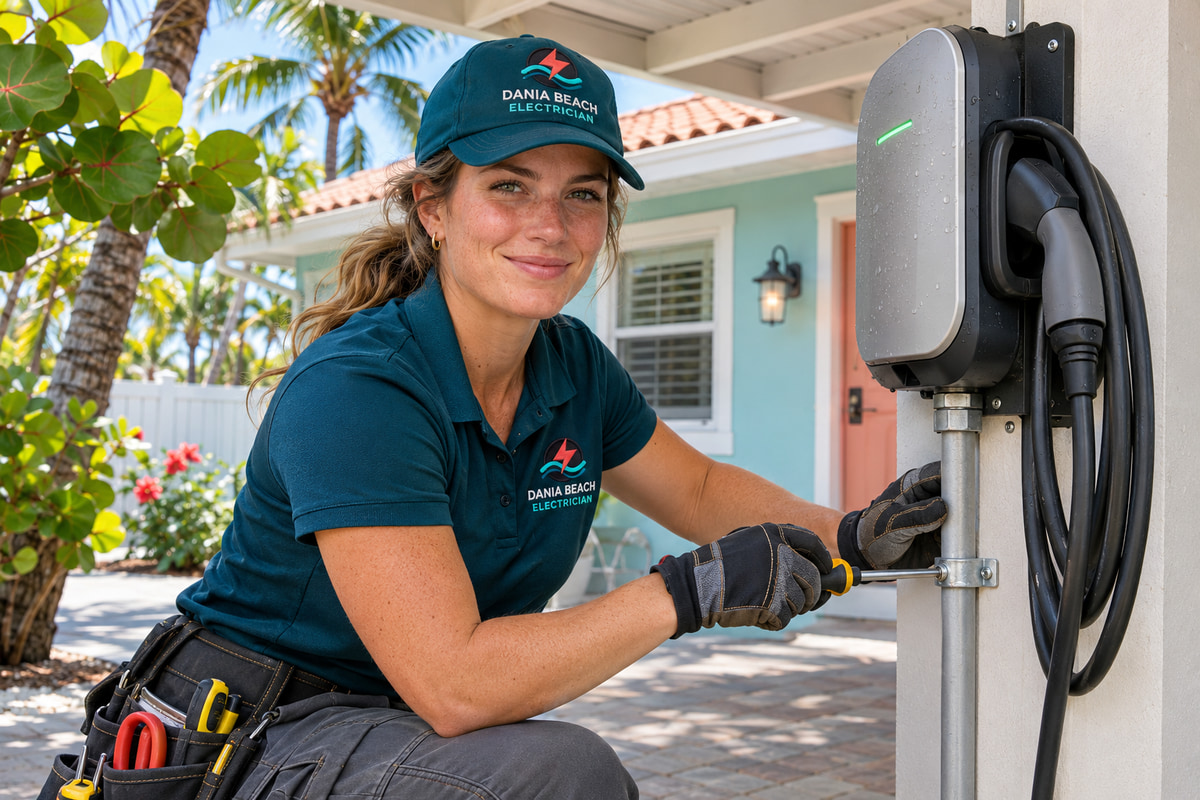
Third are chargers and garage loads. Many newer homes have a two or three car garage with space for an electric vehicle charger, a workshop or a second refrigerator. Each addition needs a circuit. A charger is a continuous load, and the panel must have room. A load calculation will tell you whether the service can accommodate it. See our charger page for more.
Fourth are lighting and landscape features. Larger lots mean more outdoor lighting, irrigation controls, fountains and gates. Low voltage landscape lighting is popular, and transformers need to be placed and protected correctly. Gate openers and security systems have their own power supplies. All of these need weather rated components and good connections.
Fifth is generator planning. Larger homes with more electronics and refrigeration benefit from backup power. An inlet and transfer arrangement lets you run essential circuits during an outage without backfeeding the grid. See our generator pages.
Finally, western neighborhoods may be governed by associations with rules about exterior changes, including equipment placement and lighting. Check before installing generators, condensers or lights that are visible.
Condos, rentals and apartment buildings across the city
A great many residents of Hollywood live in condos and rented apartments, and the electrical questions they face have a particular shape. The most important is who is responsible for what, and how to get things done within the rules of a building.
In a condo, the association generally owns and maintains the main service, common area lighting, shared panels and risers. The unit owner is responsible for what lies inside the unit's panel or disconnect. The line between them depends on the governing documents. Before scheduling work, owners should read their documents and ask management. Many associations require that work be done by a licensed contractor, with proof of insurance, and some require advance notice or approval. Hours for noisy work are often restricted.
Common unit projects include replacing a panel inside the unit, adding circuits for appliances, installing ceiling fans and lighting, updating bathrooms and kitchens, and adding smart devices. Because condos are built of concrete and steel, running new wire can require surface raceway or careful planning. Fire rated penetrations must be preserved.
Renters have different rights. A tenant cannot alter the wiring of a rented unit without the landlord's consent, but a tenant can and should report electrical problems promptly. Signs to report include flickering lights, warm outlets, burning smells, tripping breakers, buzzing sounds and outlets that do not work. Do not ignore these just because the unit is rented. Landlords are generally responsible for keeping rented homes safe, and a written report creates a record.
Landlords can reduce problems by maintaining units well. At each turnover, test outlets, ground fault devices and smoke alarms, and check the panel for signs of heat. Replace worn devices. Provide a simple sheet showing breaker locations and what to do if a breaker trips. These steps cut calls and protect tenants.
Common areas also deserve attention. Hallway lights, stairwell lighting, exit signs, emergency lights, parking lot lighting and elevator machine rooms are all part of a building's safety. Associations should schedule regular testing and maintenance. Failed emergency lighting is a safety problem and a compliance issue.
Finally, storm planning for multi family buildings is a group effort. Generators for common systems, protection for electrical rooms at ground level, and clear shutoff procedures before and after storms matter. Residents should know where the shutoffs are and who to call.
Planning electrical work in a large and varied city
Because Hollywood is so varied, the first step in planning is to be clear about your own situation. Describe your building: its approximate age, what it is made of, whether it is a house, a condo or a commercial space, and how close to the water it sits. Describe the problem or goal. Describe your constraints, such as budget, timeline, association rules and access.
Next, gather information. Photograph the panel with the cover closed, and if you are comfortable, a photo of the label on the inside of the door, which can show the panel's rating. Photograph the meter and the outside of the service. Take pictures of the problem area. For appliances or equipment you plan to add, collect the nameplate information. This helps an electrician understand the situation quickly.
When you call, expect questions. A quote can be discussed by phone for straightforward matters, but complicated work needs a visit. Be prepared to talk about permits. Work on a panel, service or new circuits generally requires a permit and an inspection. The city building department confirms the requirements. An electrician normally handles the permit.
Use the visit to learn. Ask the electrician to explain what they see, what is urgent, what can wait, and what options exist. Ask for a written scope. If something is unclear, ask again. A good electrician welcomes questions.
Decide how to sequence work. Safety items first, then capacity, then convenience, then resilience. Combine jobs that share walls or panels. Plan outages. If you rent, coordinate with the landlord.
Plan for the climate. Surge protection, corrosion resistant materials where needed, ground fault protection, a generator inlet and storm preparation apply across the city, even though their priority varies by neighborhood.
Finally, keep records. Store permits, inspection reports, panel photographs and receipts together. These records help with insurance, resale and future projects.
If you live or work in Hollywood and want to talk through your situation, call and describe it. We also have pages on the beach area, the downtown core and the Sheridan Street corridor with more local detail for those parts of the city.
To make this concrete, consider three short examples from different parts of the city, described in general terms. A couple near the Broadwalk finds that the outdoor lights on their balcony flicker after every rain. The cause turns out to be water in a fixture box, and the cure is a sealed, corrosion resistant fixture, a drip loop on the cable and a new cover on the nearby outlet. A family in an older home near the center wants to replace window air conditioners with a central system. The electrician reviews the panel, finds it full, and proposes replacing it with a larger one that has room for the new condenser circuit and a surge protective device, all under a permit. A household in a newer western neighborhood adds a pool, a charger and an outdoor kitchen over two years, and finds that the lights dim whenever the pool pump starts. A load calculation and a second panel solve it. Each story differs in its details, yet each began with a small symptom and ended with a planned fix.
Notice how little of any plan is about the equipment itself. Most of it is about understanding the building, counting the loads honestly, respecting the climate and following the permit process. If you take only one lesson from this page, make it this: describe the symptom clearly, note when it happens, and let the visit reveal the cause instead of guessing. Bring a short list of questions, such as what is urgent, what can wait, what needs a permit and how long power will be off, and write the answers down while you are still talking. Ask also whether any of the recommended work can be combined, since one visit that handles a panel, a circuit and a surge device together often means fewer hours without power.
Parts of Hollywood we hear about
Conversations in Hollywood often center on a few reference points. Near the water, the Hollywood Beach Broadwalk area has older apartments and condos. In the center, Young Circle and Hollywood Boulevard mark the downtown core and nearby streets of older homes. To the west, quieter residential streets hold newer homes with pools and garages.
Nearby places and related reading
See our pages on Hollywood Beach, downtown Hollywood and the Sheridan Street corridor. Also read about emergency electrical repair and about running a generator safely during an outage.