
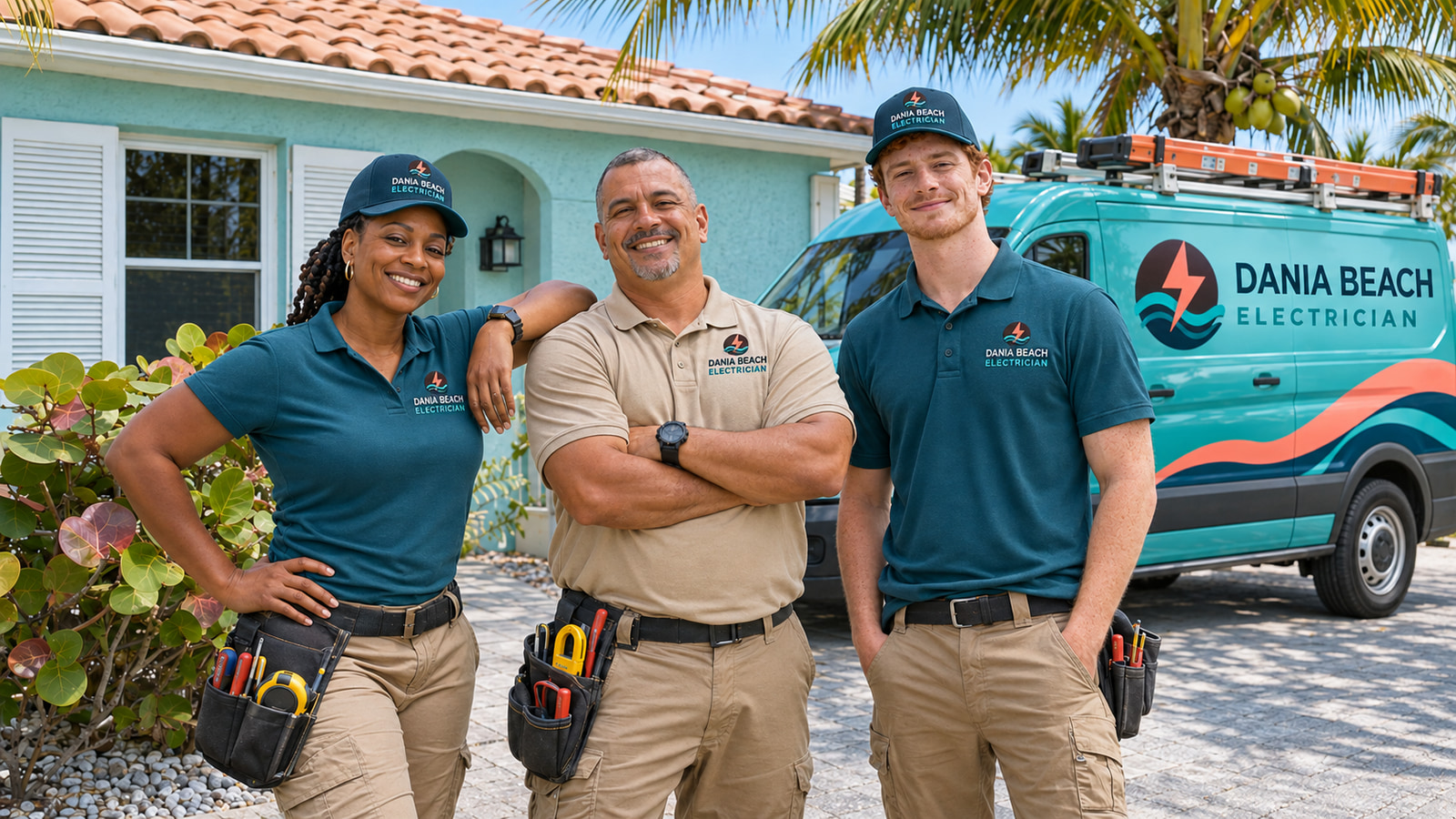
Before anyone arrives: the call that shapes the visit
An on site visit begins with a phone call, and the quality of that call shapes everything after it. When you describe the problem or the project, the person on the other end is building a mental map. Is this a failing device, a worn circuit, a new load, or a safety concern? Is it something that can wait for a scheduled visit, or does it need attention sooner? A good conversation sorts those questions out and sets expectations. For a simple matter, a quote might be discussed by phone. For anything involving a panel, hidden wiring, several rooms or a possible hazard, the next step is a visit, because no one can see inside your walls from a distance.
It helps to arrive at the call with a few facts in hand. The approximate age of the house, the type of construction, what you have noticed and when it started, and whether anything changed recently, such as a storm, a renovation or a new appliance. Mention anything that smells, hums, feels warm or sparks. Mention who lives in the home, because small children, older adults, pets and medical equipment all affect how the visit and any power shutoff should be handled.
Ask what the visit will include and how long it is likely to take. We do not name times here because each home differs, but a professional can give a reasonable outline. Ask whether power will need to be turned off, whether they will need to enter the attic or garage, and whether anyone must be home. Ask whether someone with authority over the property should be present, which matters for rentals, condos and businesses.
In a coastal city like Dania Beach, houses vary widely. There are older beach cottages near the water, concrete block homes, townhomes, condos and small commercial buildings. Telling the electrician which type you have gives them a head start on what they might encounter, like older panels in cottages, shared meter rooms in multi unit buildings, or outdoor equipment exposed to salt air. They can bring suitable testing tools and plan the order of their inspection.
Finally, prepare the space. Clear a path to the panel, the meter, the water heater, the air conditioning equipment and the rooms affected by the problem. Put away fragile items, secure pets and make sure the electrician can reach the places they need. Our guide on getting ready for the electrician offers a longer list. A little preparation shortens the visit and lets the electrician focus on the actual work rather than moving boxes.
The first conversation at your door and your kitchen table
When the electrician arrives, the first few minutes are about listening. A thoughtful professional will ask you to describe the problem again in your own words, even if you explained it on the phone. This is not repetition for its own sake. People often remember new details when they are standing at the scene, and a second telling can reveal a pattern that the first telling missed. They may ask: when did you first notice it? Does it happen at a particular time of day? Does it relate to weather, to a specific appliance, to a particular switch? Has anyone worked on the wiring before?
This is the moment to be candid, even about things you are slightly embarrassed by. If you tried to fix something yourself, say so. If you reset a breaker many times, say so. If you added an extension cord because there were not enough outlets, say so. The electrician is not there to judge. They need accurate information, and hidden details can lead to wasted time or missed hazards. A small repair attempt you forgot to mention may explain a puzzling symptom in a minute.
The electrician may also ask about your plans. If you are fixing one outlet but hope to add a pool, a kitchen remodel, an electric vehicle charger or a new air conditioner in the next few years, mention it. The right repair today may differ if a larger change is coming. It may make sense to upsize a wire or reserve a space in the panel while the wall is open. Planning ahead is much cheaper than redoing work later.
Expect to be asked about priorities as well. Is the main concern safety, convenience, appearance or cost? Do you need the work done by a particular date, such as before a sale, a family visit or hurricane season? Knowing the priorities allows the electrician to explain options that fit your situation. It also gives you a chance to ask questions of your own. Our guide on questions to ask before hiring an electrician offers a list you can bring.
Finally, expect an explanation of what the visit will involve. A courteous professional says what they will look at, where they will need access, whether they will turn off any breakers, and whether anything will be touched or opened. If something seems unclear, ask. It is perfectly reasonable to request that power be turned off only for the circuits they are inspecting, and to be told before it happens, especially if you have computers, refrigerators or medical equipment running.
Looking, testing and tracing: what the electrician actually does
The core of the visit is observation and testing. Most electricians begin at the service: the meter, the main disconnect and the panel. They look at the condition of the equipment, the labeling, the wire sizes, the breakers, the grounding and any signs of heat, moisture, rust or past repairs. They may remove the panel cover, which is something only a trained person should do, because the main connections remain energized even when the main breaker is off. They look for scorched marks, loose wires, double connections, mixed wire sizes and breakers that do not match the wire they protect.
From the panel, they move to the problem area. If the complaint is a dead outlet, they may test the outlet with a meter, check for voltage, check the protective device that feeds it, and trace the circuit to find where power stops. If the complaint is a tripping breaker, they may measure the load on that circuit, unplug devices to see which one triggers the trip, and look for damaged wire or moisture. If the complaint is flickering lights, they may inspect connections at the fixture, at the switch and at the panel, since loose connections cause most flicker.
Common tools include a voltage tester, a multimeter for measuring voltage, current and resistance, a receptacle tester that shows wiring faults at an outlet, a clamp meter to measure current on a wire without cutting it, and sometimes an insulation resistance tester to detect leaks. An infrared camera may be used in some cases to reveal warm spots. A good electrician explains what they are doing as they go, in a few plain sentences, rather than silently poking at the equipment.
In a coastal climate, certain items receive extra attention. Outdoor outlets and boxes are checked for corrosion, gaskets and covers. Panels in garages are checked for rust and moisture. Wiring near air conditioning equipment is checked for heat damage. Connections at the meter are checked for pitting. These are common sights in salty air, and their presence does not mean disaster. It simply guides what to recommend.
The visit may involve temporary power interruptions. The electrician will usually tell you before turning anything off. If you have equipment that should not lose power suddenly, such as a computer without a battery backup or a medical device, say so beforehand. After testing, the electrician restores power and verifies that everything returns to normal.
A short worked example shows how this unfolds. A homeowner in a block house reports that the kitchen lights flicker whenever the dishwasher starts. The electrician first confirms the symptom by running the dishwasher while watching the lights. Then they check the dishwasher circuit at the panel and see whether it shares a neutral or a breaker with the lighting. They measure the voltage at a kitchen fixture with the dishwasher off and then on, noting how much it sags. They open the nearest junction box to look for a loose or aged connection. If the sag is large, the culprit is probably a weak connection on the shared path. If it is small, the cause may be the fixture itself, a dimmer, or the type of bulb. Every step narrows the field, and none of it requires guessing. By the end, the electrician can say, in plain words, which part is at fault and what repair would address it. This pattern of confirming, measuring, narrowing and explaining repeats in nearly every visit, whether the complaint is a dead outlet, a warm switch plate or a breaker that will not stay on.
It is worth noting that some tests cannot be completed in a single visit. Intermittent problems, the kind that appear only on hot afternoons or after heavy rain, may require a return visit or a period of observation. A trustworthy electrician says so honestly instead of guessing. They may suggest a plan, like adding a monitoring device, keeping a log or returning during the conditions that cause the problem.
Attics, garages, crawl spaces and other tight places
Many electrical problems hide in places where people rarely go. An on site visit often includes a trip to the attic, the garage, a utility closet, a crawl space or an outdoor equipment area. These locations are where wiring runs, where junction boxes sit, where air conditioning equipment connects, and where past repairs may have been made out of sight. It is normal for the electrician to ask for access and a light.
Attics in South Florida can be extremely hot in summer. A thoughtful electrician may suggest scheduling an attic inspection at a cooler time of day, or may take care to limit time in the heat. They look for old cable with brittle insulation, wire nuts hanging loose, cables stapled too tightly, splices without a box, rodent damage and moisture stains near roof penetrations. They also check wiring near recessed lights and attic fans.
Garages often contain the panel, the water heater, laundry equipment, a freezer and workshop tools. The electrician checks outlet protection, wire condition, whether the panel is blocked by shelves, and whether the space around the panel meets safety requirements. Moisture, rust and insects are common. A garage in a humid, salty climate can be hard on equipment, and a panel that looks fine from across the room may show corrosion up close.
Crawl spaces and raised foundations are less common in this part of Florida, but some homes have them, particularly elevated homes. Wiring beneath a floor may be exposed to moisture and pests. The electrician may need to enter on hands and knees, so it helps to clear the entry and warn them of any hazards you know about.
Outdoor equipment, such as air conditioning condensers, pool equipment, meters, generators and dock or boat lift power, gets inspected for corrosion, gaskets, disconnect switches and proper protection. Salt air near State Road A1A and the waterfront can accelerate wear. You may be asked to unlock gates, move planters or trim vegetation for access.
Here are some practical things you can do to help in tight places:
- Make sure ladders, attic hatches and access panels are unobstructed.
- Provide a flashlight and tell the electrician about known hazards such as loose boards or insulation that covers the floor.
- Move stored items away from the panel and from the walls where work will happen.
- Secure pets in another room, since open attic hatches and outdoor gates can be an escape route.
- Tell the electrician about earlier leaks or pest problems.
None of this is complicated, but it matters. A clear path lets the electrician spend more time diagnosing and less time moving things, and it reduces the chance of damage to your belongings.
Explaining what was found and what the choices are
After looking and testing, a good electrician takes time to explain. This part of the visit is where trust is built. The explanation should be in plain words, should distinguish what is certain from what is probable, and should separate safety concerns from conveniences. You might hear something like: the outlet is dead because a connection at the previous outlet has come loose, which is a simple repair, but I also noticed that the wire in the attic is old and brittle, and you should know about that for later.
Expect to hear the findings in categories. Some items need immediate attention because they are unsafe. Some items should be planned for in the near future. Some are observations that can wait or may not need action at all. A professional who is straightforward about these categories helps you make decisions without feeling pressured. If every finding is described as urgent, ask for clarification of which items truly affect safety.
It is entirely reasonable to ask the electrician to show you what they found. If there is a scorched wire, a loose connection or a corroded terminal, they can often point to it, or take a photo for you to see. Photographs are a helpful record. You can keep them with your home documents and share them with another professional if you want a second opinion. Our guide on what a second opinion is worth explains how that process works.
The electrician should also explain the options. Often there are at least two paths: a minimal repair that addresses the immediate problem, and a more complete solution that addresses underlying causes. Each has benefits and tradeoffs. A minimal repair costs less now but may leave an aging system in place. A complete solution costs more but may prevent repeated trouble. Ask about the risks of waiting, and ask what happens if you do nothing for now. Honest answers may be that nothing bad is likely, or that the issue should be handled before a storm or before a house sale.
You can also ask whether any of the findings relate to code requirements. Codes change over time, and older homes are generally not required to be upgraded to current rules unless work is done that triggers it. An electrician can explain which findings are about current code, which are about condition and safety, and which are about preference. For definitive answers on code, the city permit office is the right source.
Finally, ask what happens next. Will you receive a written proposal? When? What will it contain? Are there steps you should take in the meantime, like avoiding a certain circuit or running an appliance less? A clear plan reduces anxiety and keeps both sides moving in the same direction.
From the visit to a written scope you can rely on
The final product of a visit is a written scope. This is a document that turns the conversation into an agreement. It should describe the work to be done, the materials to be used, the permit and inspection plan, how changes will be handled, what is excluded and how payment works. It should match what was discussed. If it does not, ask about the differences.
Compare the scope to your notes from the visit. Did the electrician mention items that do not appear? Did they promise a particular approach that is not described? It is common for details to get lost between the conversation and the paper, and a polite question usually clears it up. Our guide on reading an electrical quote line by line goes through each section in more detail.
Consider the timing of the scope. A simple matter may produce a written proposal quickly. A complicated job may take longer, because the electrician may need to consider materials, coordinate with the utility or review building requirements. Reasonable patience is part of the process. At the same time, if you do not hear anything and the matter is urgent, a follow up call is appropriate.
Think, too, about the decision. You may want to compare more than one proposal, think about timing, or discuss a project with a spouse, a landlord or a condo board. All of that is normal. There is no obligation to decide on the spot. A professional will give you time and will not use pressure. If the electrician offers a deadline, ask what is behind it. Material availability or a schedule opening may be genuine reasons, while an artificial urgency is a reason for caution.
If you decide to proceed, confirm the next steps: the start date window, the permit plan, how power interruptions will be managed and what you need to prepare. If you decide not to proceed, thank the electrician and, if appropriate, ask for a copy of any findings you can keep. A professional will understand.
Remember that a visit costs something in time and effort even when it ends without a job. Respect it by being ready, honest and clear. In return you gain information about your home that has lasting value. Even if you hire someone else, what you learn can make that process easier.
For more reading, see our guide on why the permit matters to you, which explains how inspections protect owners, and our page on commercial electrical service for business properties. If you live in the southwestern edge of Broward County, our page on Southwest Ranches describes the larger properties found there. A quote can begin by phone, and complex jobs always need an on site visit before the price is final, so the visit is the natural next step whenever the work goes beyond something simple.